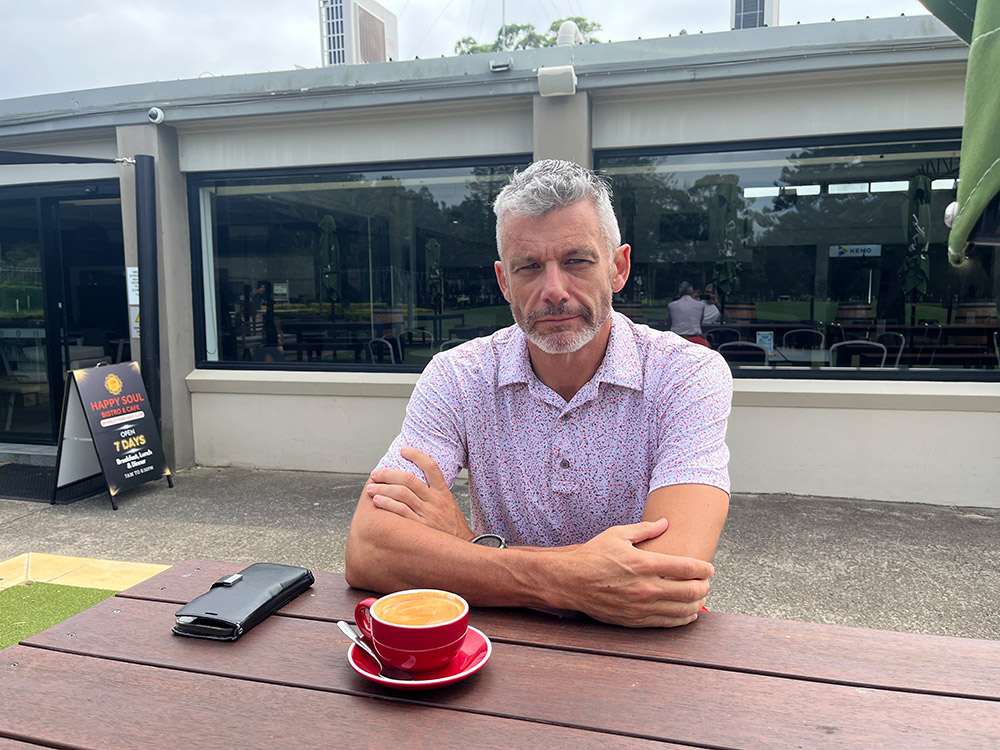
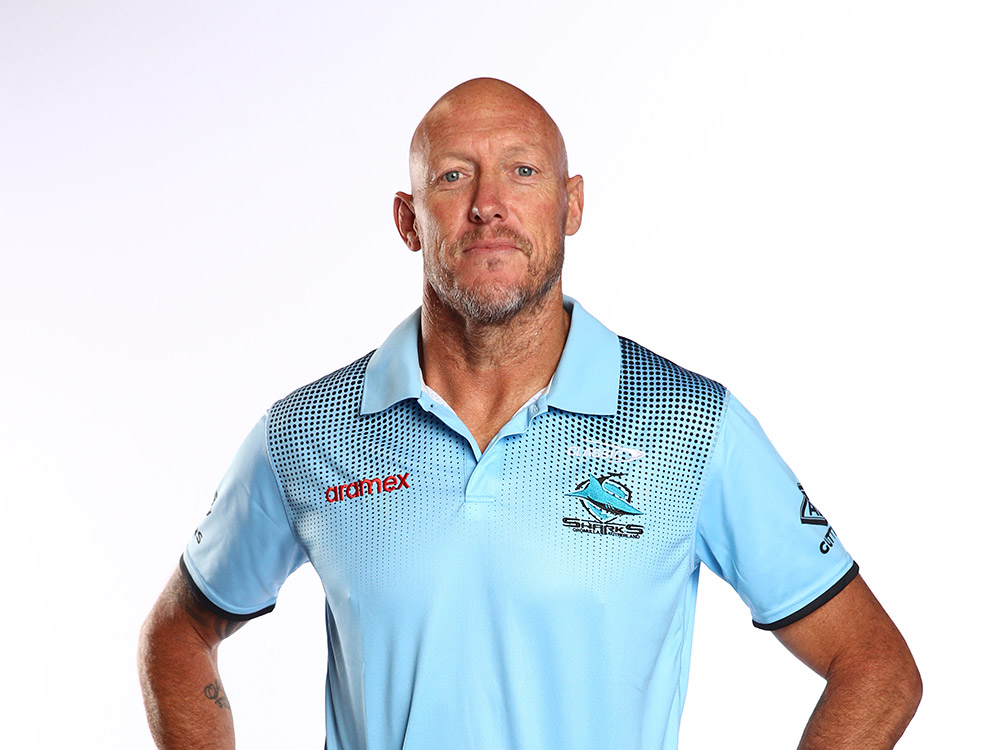
Cafe Reporter spoke with Craig Fitzgibbon on the eve of his fourth season as coach of the NRL’s Cronulla Sharks.
“We have a certain way of doing things, I feel, at the Sharks. We have an internal philosophy that we use consistently, so we don’t get off track, and focus on four key areas. We don’t change too much. At the end of the day we’re a small community club in a big city, so we rely on that closeness, on that connection; being connected to our community, our club and each other.”
“On one hand it’s a results-driven industry, that’s pretty obvious. But supporters for most clubs are fairly tribal; they want effort and for people to turn up and give the best account of themselves every time they play. We try to simplify: we can’t control the broader game, the broader fanbase; we can only control how we prepare to the best of our ability, and the fans jump on board when that’s going well and get frustrated when it’s not. But sometimes the most rewarding parts of the job aren’t the result: relationships, experiences, the things you go through together, and developing those relationships to get the best out of people is incredibly rewarding.”
League is a team sport but for Fitzgibbon, that extends off the field and to the people behind the players. “I feel my job is to connect the dots between the staff, the players, the way you prepare, the way you play; the way you act, firstly, the way you prepare secondly, and the way you play. With the staff, we’re such a team. If we’re going to ask our players to play as a team and we act as a bunch of individuals — you can’t ask them to act in a way you’re not doing yourselves.”
“What we enjoy and what’s happened is, the staff and the coaches we have walk in the door and constantly try to get better. We love working together; we get along so well. It has challenges from time to time and everyone has their own little hiccups, but the initiative of our staff and the constant hard work and ethic, the comradery and team work we have as a staff, I think that then flows through your team. But I get as much energy out of watching the staff deliver as I do the team.”
“To use an analogy: you’ve got your architect and you’ve got your builders. I’m not too creative when I’m looking for the next new piece of architecture but I reckon I might be a decent draughtsman; we set some framework out, we set some plans in place, but then I want the staff to plan within those plans. They’ve got their initiatives, they can put their stamp on it, they can do it their way. That suits me and we work well together doing that, but I’m always offering a framework and a set of principles that we follow. You’ve got to offer some boundaries for them to have some freedom to create.”
“We always try and acknowledge and honour a performance that’s been well put together, well done, but usually you go straight to improving the plan. We’re not overly analytical but we do have a standard of performance we want to hit. I’ll sit with the performance guys and see where we’re at; I’ll use it [information] as a form of a guide, as it’s measurable. But we know when we’ve played well and a standard that we want to keep, and others that we want to improve upon or never see again. You want to be consistent. In the NRL, anyone can beat anyone on any given day if you don’t turn up and you aren’t consistent.”
Part of the pre-season involves playing in Las Vegas, an NRL initiative Craig supports. “At the end of the day we’re in the entertainment industry. We want our game to grow; we want our game to be revered, admired, respected. Do we get more viewers? Subscriptions? If it benefits our game, promotes the game, then I think it’s a good concept.”
Upon their return from Vegas, the Sharks will go from one extreme to the other: from an American winter to tropical Far North Queensland. “We really enjoy travelling together; we enjoy our time away. You get to connect, and we’re grateful for the opportunity to travel as Sharks and get to hang out and represent our colours in different territories.”
“You’d be lying if you said you don’t pay a physical price, the intensity of it [the season], but so do the players. If you want the players to keep turning up in a consistent fashion and enjoying it and being grateful for it, you have to do the same thing.”
www.sharks.com.au